This National Pasta Day Cacio e Pepe is pure comfort in a bowl. It is the kind of dinner that feels fancy enough for company, yet simple enough for a busy weeknight. In my opinion, that balance is what makes this Roman classic so special. With just a few pantry staples, you get a dish that tastes warm, rich, and deeply satisfying.
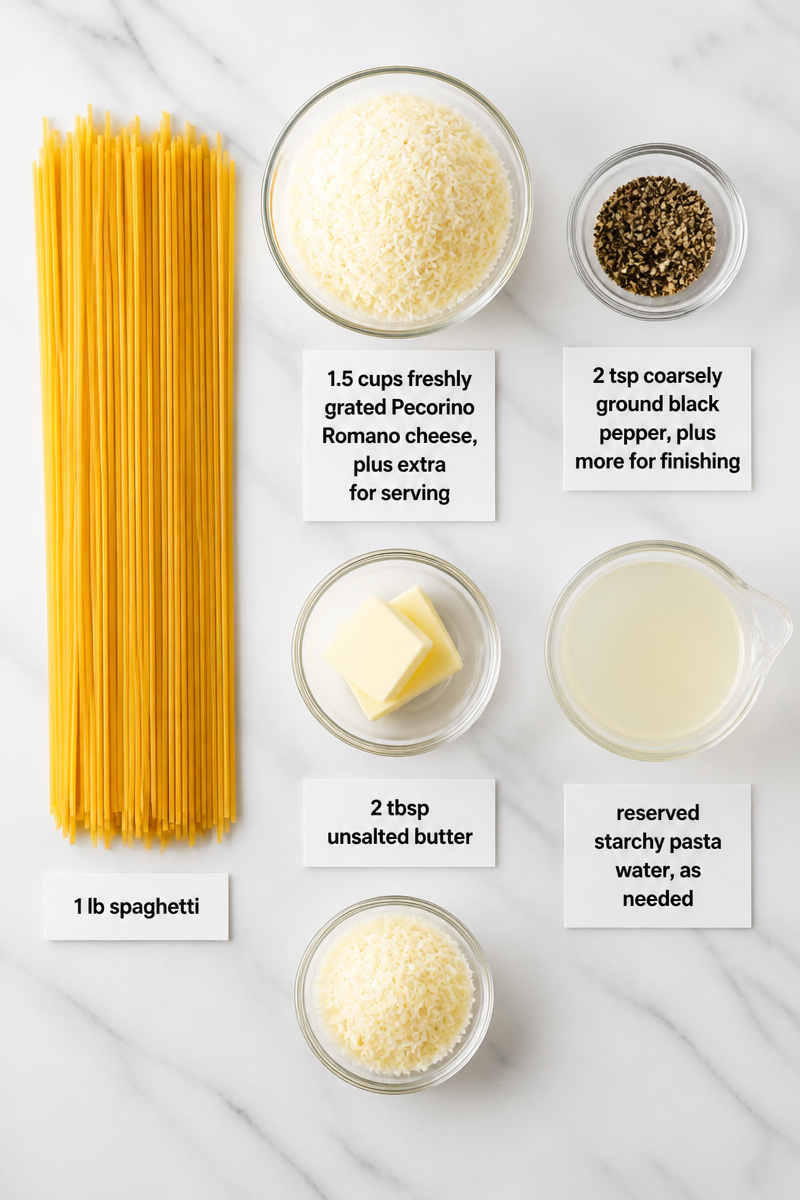
At the heart of this recipe are 1 lb spaghetti, 1.5 cups freshly grated Pecorino Romano cheese, plus extra for serving, 2 tsp coarsely ground black pepper, plus more for finishing, 2 tbsp unsalted butter, and reserved starchy pasta water, as needed. Together, they create a bold, salty, peppery sauce with a creamy feel, even though there is no cream at all. The cheese brings sharp, savory depth, while the pepper adds a gentle heat and the butter helps the sauce feel smooth and round.
The method is wonderfully straightforward. First, you toast the pepper to wake up its flavor. Then you cook the spaghetti until just shy of al dente, saving the pasta water. After that, you toss the pasta with the pepper and butter, then add the cheese off the heat so the sauce stays silky instead of clumpy. In just 5 minutes of prep, 15 minutes of cooking, and 20 minutes total, you have a bowl of Cacio e Pepe that serves 4 and comes in at about 480 kcal per serving.
This is the kind of meal that works beautifully on chilly nights, busy evenings, or when you want something comforting without a lot of fuss. It is also a lovely choice for National Pasta Day because it celebrates simple food done well. In addition, it is a great recipe for sharing with family since the ingredients are familiar, the flavors are bold but not complicated, and the results feel special every time.
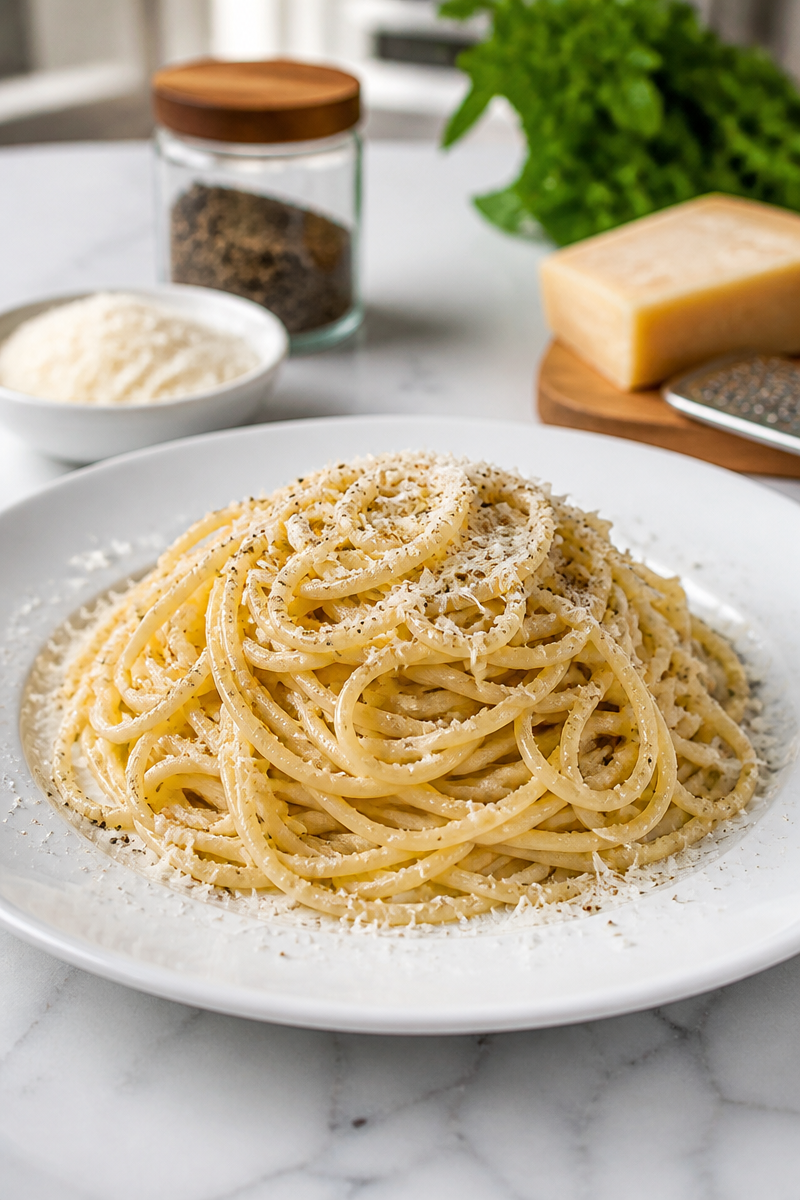
Why You’ll Love This National Pasta Day Cacio E Pepe
- It uses simple ingredients you may already have on hand.
- It comes together in 20 minutes, so it is perfect for quick dinners.
- The sauce tastes rich and creamy, yet it uses no heavy cream.
- It is a true comfort food dish with a classic Italian flavor.
- It is easy to scale up for family meals or a small gathering.
Spaghetti Tips
For this recipe, spaghetti is the base that carries the sauce, so the shape matters more than people think. Choose a good-quality spaghetti that cooks evenly and holds its bite. Also, do not overcook it, since the pasta will finish in the skillet. In fact, slightly undercooking the noodles helps them soak up the pepper, butter, and cheese sauce without turning soft or mushy. If you want the best texture, stir the pot often and test a strand a minute before the package says it is done.
Options for Substitutions
- Swap the spaghetti for bucatini, tonnarelli, or linguine if you want a different shape.
- Use Parmigiano-Reggiano instead of Pecorino Romano for a milder, less salty taste.
- Replace the unsalted butter with extra olive oil if you want a more traditional, dairy-light finish.
- Use finely cracked black pepper instead of coarsely ground pepper for a softer pepper bite.
- Try gluten-free spaghetti if you need a wheat-free version.
- If Pecorino is too sharp, mix it with a little Parmesan for a gentler cheese flavor.
Watch Out for These Mistakes
One of the biggest mistakes is using heat that is too high when you add the cheese. If the skillet is still hot, the Pecorino can seize up and turn stringy instead of creamy. So, always remove the pan from the heat first. That small step makes a very big difference.
Another common issue is not saving enough pasta water. The starchy water is what helps the cheese, butter, and pasta blend into a smooth sauce. If the mixture looks thick or dry, do not panic. Instead, add a splash of hot pasta water and toss again until the sauce loosens and shines.
Also, be careful not to add all the cheese at once. It is better to add it in small handfuls and toss well after each addition. That way, the cheese melts more evenly and coats the spaghetti better. If you dump it in too fast, the sauce can turn lumpy.
Finally, remember that Cacio e Pepe is best served right away. The sauce does not sit well, and it can separate as it cools. So, once the pasta is glossy and well coated, plate it immediately and enjoy it fresh.
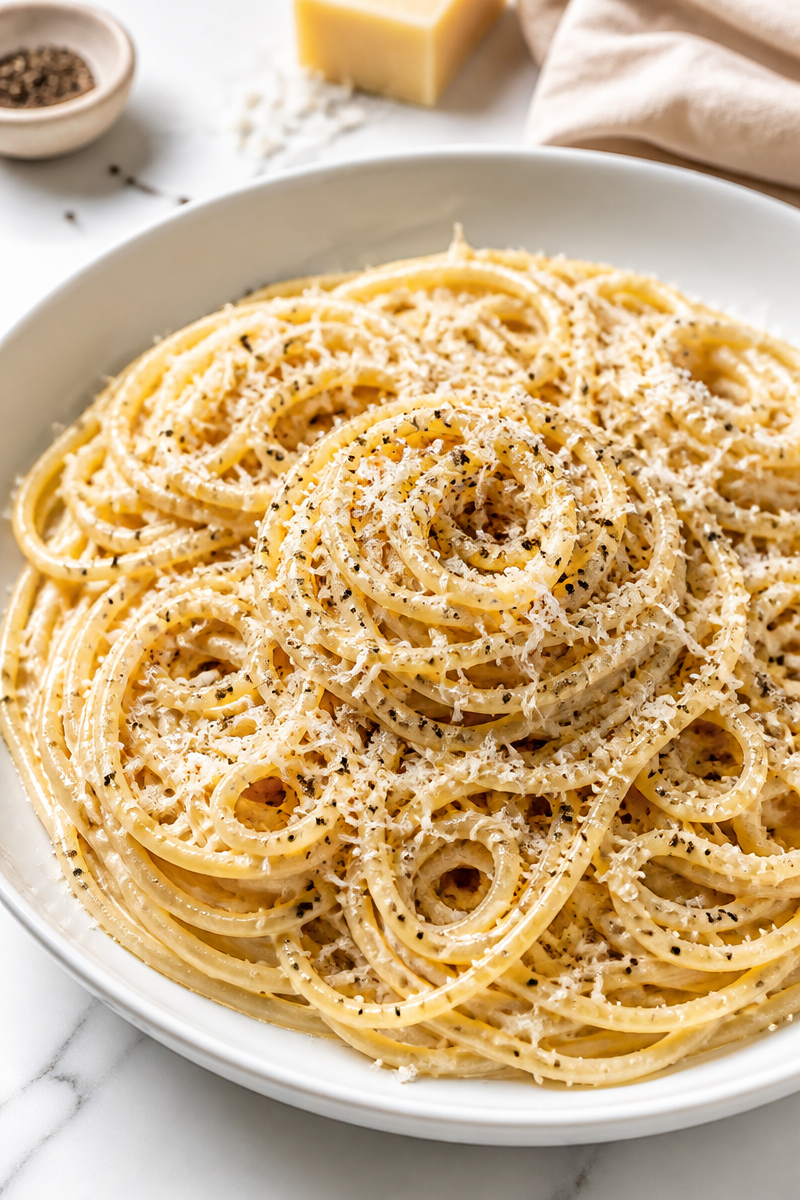
What to Serve With National Pasta Day Cacio E Pepe?
Because National Pasta Day Cacio e Pepe is rich and peppery, it pairs nicely with simple sides. A crisp green salad with lemon vinaigrette helps cut through the cheese. Roasted broccoli or broccolini also works well because the slight bitterness balances the sauce. For something warm, try garlic bread or toasted Italian bread to catch any extra sauce. If you want a fuller meal, add a light soup like minestrone or a tomato-based vegetable soup.
Storage Instructions
Store: This dish is best eaten right away, but leftovers can be stored in an airtight container in the fridge for up to 2 days.
Freeze: Freezing is not recommended, since the cheese sauce may separate and the pasta texture can become soft.
Reheat: For the stovetop, warm the pasta slowly over low heat with a splash of water to help loosen the sauce. For the microwave, heat in short bursts at low power, stirring between each one, and add a little water if needed. Even so, the texture will not be as smooth as when it is freshly made.
Recipe Info
Preparation Time: 5 minutes
Cooking Time: 15 minutes
Total Time: 20 minutes
Difficulty Level: Easy
Servings: 4
Estimated Nutrition
Estimated nutrition for the whole recipe (without optional ingredients):
- Calories: 1,800 to 1,950
- Protein: 55 to 65 g
- Fat: 55 to 70 g
- Carbohydrates: 250 to 280 g
Ingredients
- 1 lb spaghetti
- 1.5 cups freshly grated Pecorino Romano cheese, plus extra for serving
- 2 tsp coarsely ground black pepper, plus more for finishing
- 2 tbsp unsalted butter
- reserved starchy pasta water, as needed
Step-by-Step Instructions
Step 1: Toast the Pepper
Set a large, deep skillet over medium heat. Add the coarsely ground black pepper and toast it for about 1 minute, stirring often, until it smells fragrant. This quick step helps bring out the pepper’s oils, so the flavor tastes deeper and more rounded in the finished Cacio e Pepe.
Step 2: Cook the Spaghetti
Bring a large pot of lightly salted water to a boil. Add the spaghetti and cook it for 1 minute less than the package directions for al dente. Before draining, save about 1.5 cups of the starchy pasta water. That water is important, because it helps the sauce come together later.
Step 3: Start the Sauce in the Skillet
Use tongs to move the drained spaghetti straight into the skillet with the toasted pepper. Add the butter and 1 cup of the reserved pasta water. Then toss continuously over medium-low heat for 1 to 2 minutes. This starts a light sauce and helps the pasta absorb the pepper flavor.
Step 4: Add the Cheese Off the Heat
Take the skillet off the heat before adding the cheese. This matters a lot, because direct heat can make the cheese clump instead of melt smoothly. Add the grated Pecorino Romano a handful at a time, tossing hard with tongs after each addition. If needed, add a little more reserved pasta water until the sauce becomes creamy and coats every strand.
Step 5: Check the Texture
Look at the sauce before serving. It should be glossy and cling to the spaghetti. If it seems dry or a bit clumpy, add a small splash of hot pasta water and toss again. Often, just a little more liquid is enough to bring the sauce back to a silky finish.
Step 6: Plate and Serve
Serve the Cacio e Pepe right away. Twirl the pasta into neat nests on each plate, then finish with extra Pecorino Romano and a generous crack of black pepper. That final touch adds more flavor and makes this simple Roman dish feel complete and special.
National Pasta Day is the perfect time to make this Cacio e Pepe because it is simple, fast, and full of bold flavor. With spaghetti, Pecorino Romano, black pepper, butter, and pasta water, you can create a creamy Roman classic in just 20 minutes. If you try it, let me know how it turned out, or explore more easy pasta recipes for your next cozy dinner.
